How Third Party Payments Systems Work in 2026
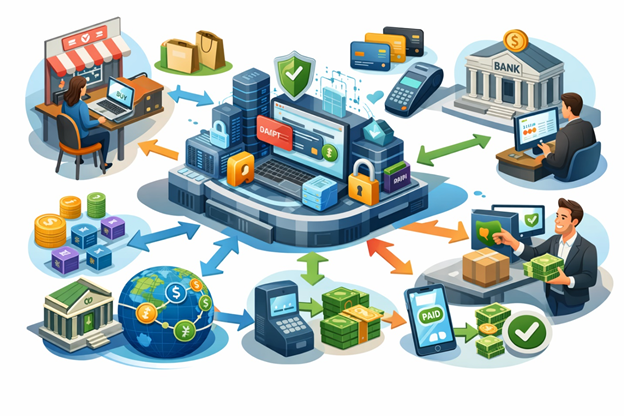
Digital commerce has grown far beyond simple card transactions and basic online checkouts. In 2026, businesses operate across borders from day one, customers expect instant and flexible payment options, and financial regulations are tighter than ever. At the center of this global transaction ecosystem sit third party payments systems. These platforms act as the backbone that connects customers, merchants, banks, and networks—making secure, fast, and reliable transactions possible at scale.
Understanding how 第三方支付`systems work in 2026 is essential for online businesses, SaaS companies, marketplaces, subscription platforms, and service providers. These systems are no longer just payment gateways. They now include fraud intelligence, compliance automation, multi-currency support, payout orchestration, and real-time analytics.
This complete guide explains how third party payments systems operate today, what has changed in 2026, how transactions move step by step, and why these systems are critical for modern global commerce.
What Are Third Party Payments Systems
Third party payments systems are external platforms that process financial transactions on behalf of businesses. Instead of a merchant building direct relationships with banks, card networks, fraud engines, and settlement systems, they connect to a third party payments provider that manages the full payment lifecycle.
A modern third party payments system typically handles:
Payment data capture
Transaction authorization
Fraud screening
Currency conversion
Settlement and clearing
Payout to merchants
Refunds and dispute workflows
Compliance checks
Reporting and reconciliation
In 2026, most third party payments systems operate as unified payment platforms rather than single-function gateways.
Why Third Party Payments Are More Important in 2026
The role of third party payments has expanded due to several major trends:
Global-first businesses launching instantly across borders
More local payment methods beyond cards
Stricter identity and anti-fraud rules
Real-time payment expectations
Subscription and usage-based billing growth
Marketplace and platform business models
Cross-border contractor and creator payouts
Without third party payments systems, businesses would need multiple banking relationships, regional processors, and separate fraud tools. That level of complexity is not practical for most organizations.
Core Components of Third Party Payments Systems in 2026
Modern third party payments platforms are built from several tightly integrated components.
Payment Gateway Layer
This is the entry point where payment details are captured securely. It includes:
Hosted checkout pages
Embedded payment forms
Mobile SDKs
Payment links and invoices
API-based tokenization
The gateway encrypts sensitive information and converts it into secure tokens before any processing happens.
Payment Processor Engine
The processor routes transactions to the correct banking and network channels. It:
Sends authorization requests
Receives approval or decline responses
Handles retries and routing logic
Optimizes transaction paths
In 2026, many third party payments systems use smart routing to increase approval rates.
Fraud and Risk Intelligence
Fraud prevention is now deeply embedded in third party payments platforms. Systems use:
Behavioral analytics
Device fingerprinting
Velocity checks
Geolocation analysis
Machine learning risk scoring
Adaptive authentication triggers
Fraud controls operate in milliseconds without slowing checkout.
Compliance and Identity Controls
Regulatory automation is now standard. Third party payments systems manage:
Know Your Customer checks
Anti-money laundering screening
Transaction monitoring
Strong customer authentication
Data privacy controls
This reduces compliance burden for merchants.
Settlement and Payout Infrastructure
After approval, funds must be settled and paid out. Third party payments systems coordinate:
Clearing between institutions
Currency conversion
Fee calculation
Merchant settlement
Split payouts for platforms
In 2026, payout orchestration is a major differentiator between providers.
Step by Step: How Third Party Payments Work in 2026
Let’s walk through a typical transaction flow using third party payments systems.
Step 1: Customer Initiates Payment
A customer selects a product or service and chooses a payment method. This may include:
Card
Digital wallet
Bank transfer
Real-time payment rail
Local payment method
Buy now pay later
The third party payments gateway captures the data securely.
Step 2: Data Tokenization and Encryption
Sensitive payment information is never stored in raw form. The third party payments system:
Encrypts payment data
Creates a secure token
Stores only the token reference
This reduces security risk and compliance scope.
Step 3: Fraud and Risk Screening
Before authorization, the transaction is evaluated by fraud engines. The third party payments platform checks:
Transaction amount patterns
Device history
IP reputation
Behavior anomalies
Past dispute records
High-risk transactions may trigger extra authentication or be declined.
Step 4: Authorization Request
The processor sends an authorization request through network rails to the issuing bank. This includes:
Tokenized payment data
Amount
Currency
Merchant category
Risk indicators
The bank decides whether to approve.
Step 5: Approval or Decline Response
The issuing bank responds:
Approved
Declined
Requires authentication
The third party payments system relays this instantly to the checkout.
Step 6: Authentication When Required
In 2026, adaptive authentication is common. Only higher-risk transactions trigger extra steps such as:
Biometric confirmation
App push approval
One-time passcodes
This keeps low-risk transactions frictionless.
Step 7: Capture and Settlement
Approved transactions are captured and moved into settlement batches. Third party payments systems:
Aggregate transactions
Calculate fees
Convert currencies if needed
Prepare settlement files
Step 8: Merchant Payout
Funds are deposited to the merchant according to payout schedule. Modern third party payments platforms support:
Daily payouts
Multi-currency settlement
Split payouts
On-demand withdrawals
The full cycle can be near real-time in some regions in 2026.
Major Advances in Third Party Payments Systems by 2026
Third party payments technology has evolved significantly.
Real-Time Payment Rails Integration
Many third party payments platforms now integrate with real-time bank rails. This enables:
Instant transfers
Immediate settlement
Faster refunds
Real-time balance updates
Multi-Method Unified Checkout
Instead of separate integrations, one checkout supports:
Cards
Wallets
Bank payments
Local methods
Installment plans
This increases conversion rates.
AI Driven Fraud Defense
Fraud detection now uses adaptive AI models trained on global network behavior. Third party payments systems share anonymized intelligence across networks to block new attack patterns quickly.
Dynamic Currency Optimization
Currency handling is smarter. Third party payments systems can:
Present local currency pricing
Optimize FX timing
Reduce conversion losses
Support multi-currency wallets
Embedded Finance Capabilities
Some third party payments providers now offer:
Merchant financing
Early payout options
Working capital advances
Revenue-based credit
Payments data powers lending decisions.
How Third Party Payments Support Different Business Models
E-Commerce Stores
Third party payments systems provide:
Global checkout
Local payment methods
Fraud filters
Refund management
Chargeback evidence tools
SaaS and Subscription Platforms
Capabilities include:
Recurring billing logic
Automatic retries
Plan changes
Usage-based charging
Invoice automation
Marketplaces
Marketplace-focused third party payments support:
Seller onboarding
Identity verification
Split payments
Commission deductions
Payout scheduling
Creator and Gig Platforms
These systems enable:
Mass payouts
Multi-country transfers
Micro-transactions
Instant withdrawals
Security Layers in Third Party Payments Systems
Security in 2026 is multi-layered.
Tokenization Everywhere
Payment credentials are replaced with tokens across the lifecycle.
Zero Trust Architecture
Systems assume no implicit trust and verify each transaction signal.
Behavioral Biometrics
User behavior patterns help detect account takeover attempts.
Continuous Monitoring
Third party payments platforms monitor transaction streams in real time for anomalies.
Fees Inside Third Party Payments Systems
Understanding fees is essential. Third party payments systems may include:
Processing percentage fees
Fixed per-transaction fees
Cross-border markups
Currency conversion spreads
Chargeback fees
Payout fees
Advanced reporting tools now break these down clearly.
Compliance Automation in 2026
Regulatory complexity has increased, but third party payments platforms handle more of it automatically:
Automated KYC flows
Risk-tiered onboarding
Transaction monitoring alerts
Audit-ready reporting
Data retention controls
This reduces merchant operational burden.
Cross Border Transactions Through Third Party Payments
Global transactions involve more steps, but third party payments systems simplify them through:
Local acquiring connections
Regional routing
Local payment method support
Currency localization
Tax data tagging
This improves approval rates and customer trust.
Refunds and Disputes Handling
Third party payments systems now provide structured dispute workflows:
Automated evidence collection
Deadline tracking
Template responses
Reason-code analytics
Some platforms offer predictive chargeback alerts before disputes are filed.
Reporting and Analytics in Modern Third Party Payments
Data is now a competitive advantage. Third party payments dashboards provide:
Approval rate tracking
Fraud trend analysis
Customer payment preferences
Currency performance
Regional success rates
Fee impact analysis
These insights guide optimization.
How Businesses Integrate Third Party Payments in 2026
Integration is easier than in the past.
Options include:
No-code payment links
Hosted checkout pages
E-commerce plugins
Low-code SDKs
Full API integrations
Businesses can start simple and expand functionality later.
Choosing the Right Third Party Payments System
When evaluating third party payments providers, businesses should review:
Country coverage
Supported payment methods
Total cost structure
Fraud tools
Payout timing
Integration effort
Business model support
Compliance coverage
Reporting depth
Fit matters more than brand size.
Future Direction of Third Party Payments
Looking beyond 2026, 第三方支付 systems are moving toward:
Fully real-time global settlement
Invisible background authentication
Universal tokenized identities
AI-driven payment routing
Programmable money flows
Embedded financial services
The boundary between payments and banking continues to blur.
Final Thoughts
In 2026, third party payments systems are no longer optional tools — they are core infrastructure for global commerce. They manage the full payment lifecycle from secure capture to fraud screening, authorization, settlement, compliance, and payout. Businesses rely on third party payments platforms to reduce complexity, improve approval rates, expand internationally, and protect against fraud.
Understanding how third party payments work helps businesses make smarter provider choices, design better checkout experiences, and optimize transaction success. As digital commerce continues to expand globally, third party payments systems will remain central to fast, secure, and scalable financial operations.